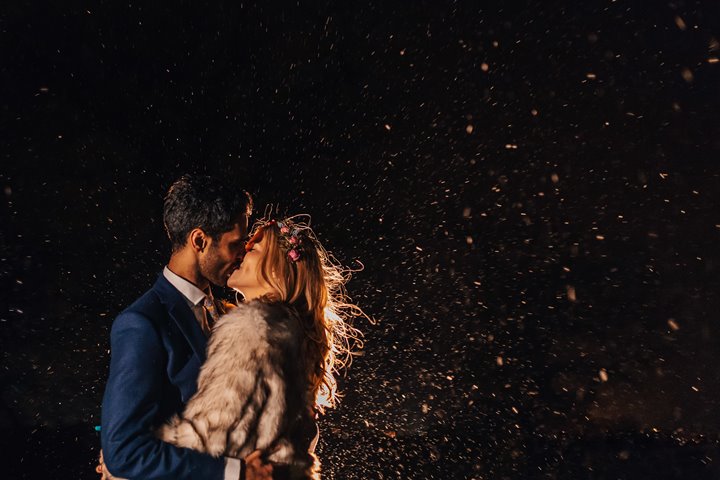
How To Plan A Wedding Without Losing Your Mind

Planning a wedding can feel like taking on a second full-time job. One minute you’re newly engaged and enjoying the excitement of it all; the next, you’re comparing venues, guest lists, budgets and seating plans and wondering quite how there came to be so many decisions involved in getting married.
The good news is that wedding planning doesn’t have to feel overwhelming.
The most enjoyable weddings tend to begin with a relatively simple question: what do you actually want the experience to feel like?
Before the Pinterest boards, spreadsheets and supplier recommendations, think about the atmosphere you want to create. Do you want a huge party that carries on until the early hours, or a smaller celebration where everyone sits around one table for dinner? Perhaps you want a whole wedding weekend, with guests staying together and plenty of time to properly catch up. Or maybe you have always imagined an outdoor ceremony followed by dinner, dancing and a rather irresponsible amount of champagne.
There is no right answer. The best wedding is the one that feels like you.
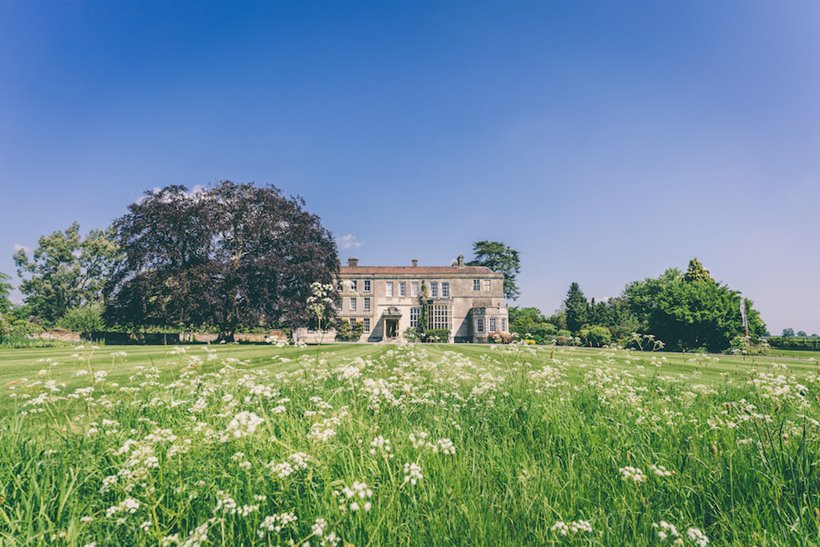
Step 1: Decide What You Actually Want Your Wedding To Feel Like
It sounds obvious, but this is one of the most useful things you can decide before doing anything else.
Weddings can quickly become a collection of decisions made because something is traditional, because someone else did it, or because it looked beautiful on Instagram. Before long, you can find yourself planning a wedding that looks wonderful but doesn’t necessarily feel like your own.
Instead, think about the experience you want to create.
Do you want something relaxed and informal, or elegant and atmospheric? Would you rather spend the day moving between different spaces, or have everyone gathered together for most of the celebration? Are you drawn towards a summer garden party, a candlelit winter wedding or an entire weekend in the countryside?
These decisions will influence everything that follows, from the wedding venue you choose to the number of guests you invite and the suppliers you book.
There is also a growing shift towards weddings that feel more personal and immersive. Couples are increasingly choosing wedding weekends, outdoor ceremonies, seasonal menus, live music and experiences that allow their guests to properly enjoy being together rather than simply moving from one scheduled part of the day to the next.
Step 2: Book Your Wedding Venue First
Once you have a sense of what you want your wedding to feel like, your venue is the natural place to start.
Your choice of wedding venue will influence almost every other part of the planning process, including your guest numbers, catering, accommodation, ceremony, suppliers and the overall atmosphere of the day.
If you are looking for an exclusive-use wedding venue in the UK, it is worth starting your search early. Popular dates, particularly summer Saturdays, can be booked well in advance.
That said, flexibility can make a considerable difference. Being open to a weekday, Sunday or an off-peak wedding date can give you far more choice and can also create a very different atmosphere.
When you visit a wedding venue, try to imagine more than how it will look in your photographs. Think about how your guests will move through the day. Where will everyone gather after the ceremony? Where will you eat? What happens when the evening begins? Can people stay overnight? Does the venue encourage everyone to spend time together, or does the celebration end as soon as the reception does?
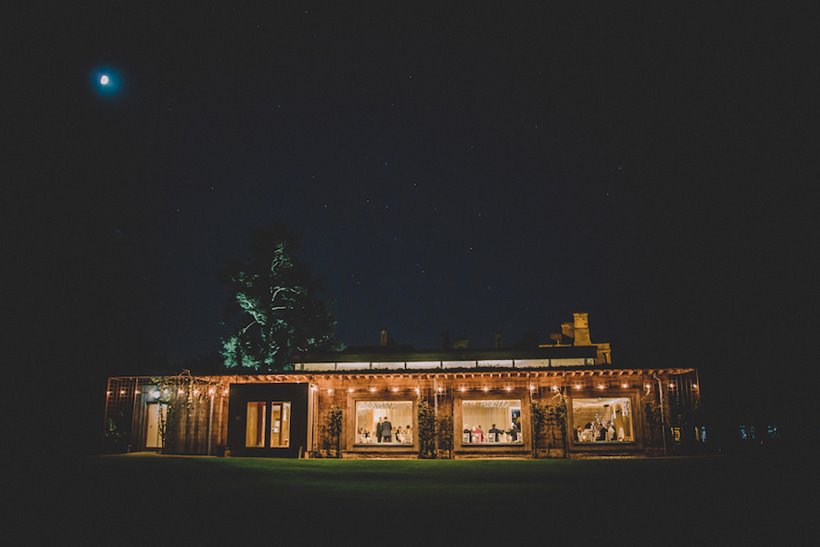
At Elmore Court, the house, gardens and Gillyflower allow a wedding to unfold across the estate, creating a sense of movement and discovery throughout the day.
Step 3: Build A Budget Around Priorities - Not Expectations
Before booking suppliers or falling in love with a particular wedding dress, establish a realistic budget.
Rather than trying to allocate the same amount to everything, decide which parts of the wedding matter most to you.
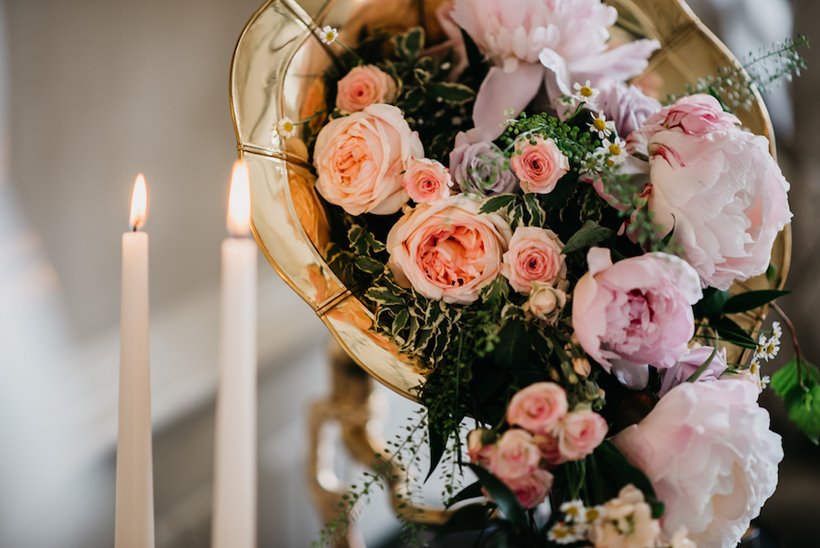
For some couples, that might be exceptional food and drink. For others, it will be the photographer, live music, flowers, accommodation or simply having everyone they love in one place for an entire weekend.
There is no universal formula for how much you should spend on each element of a wedding. What matters is making deliberate choices rather than allowing the small things to accumulate until your budget has disappeared.
It is also worth allowing some room for the unexpected. Weddings have a habit of producing the occasional expense that wasn’t in the original spreadsheet.

Step 4: Create A Wedding Planning Timeline
Once your venue and budget are in place, breaking the planning process into manageable stages makes everything feel considerably less daunting.
12–18 months before your wedding
This is the time to secure the foundations of the day.
Choose your wedding venue, confirm your date and establish your guest list. You can then begin booking key suppliers such as your photographer, videographer, entertainment and planner or coordinator.
If you are getting married somewhere popular, booking these suppliers early will give you the greatest choice.
9–12 months before
Start making the decisions that will shape the look and feel of the celebration. This is usually when couples begin thinking seriously about wedding attire, flowers, styling, catering and the ceremony itself.
If you are planning a wedding weekend, this is also a good point to start thinking about guest accommodation and transport.
6–9 months before
Your plans should begin to feel much more tangible by this stage. Invitations can be sent, menus developed and the finer details of the day considered.
This is also the point where you can start thinking about the practicalities of your wedding day timeline and how everything will flow between ceremony, drinks, dinner and dancing.
3–6 months before
By now, most of the major decisions should be made. You can concentrate on confirming suppliers, finalising details and making sure everyone involved understands what is happening and when.
The final month
This is not the time to reinvent the wedding.
Confirm your suppliers, finalise your seating plan, complete any final fittings and hand over as much of the logistics as possible to your planner, coordinator or venue team.
Most importantly, give yourself permission to stop planning.
The wedding is about to happen.
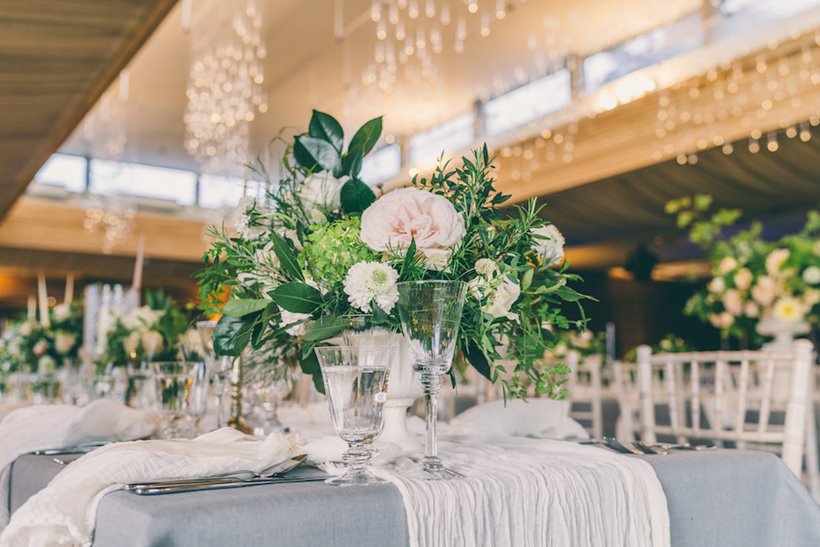
Step 5: Think About Guest Experience More Than Perfection
It is surprisingly easy to become focused on how your wedding will look and forget to think about how it will actually feel to be there.
Your guests will remember the atmosphere far more than whether every detail matched perfectly.
They will remember sitting around a table for a long dinner, laughing with people they haven’t seen for years. They will remember the music, the speeches, the moment everyone ended up on the dance floor and perhaps the slightly questionable decision someone made towards the end of the evening.
This is one of the reasons wedding weekends have become increasingly popular. Giving guests somewhere to stay and allowing the celebration to extend beyond a single day creates more opportunities for those less planned moments to happen.
Breakfast the following morning can be just as memorable as dinner the night before.
Step 6: Don’t Over-Produce The Day
There is nothing wrong with caring about the details. Beautiful flowers, considered styling and thoughtful touches can make a wedding feel incredibly personal.
But not every moment needs to be choreographed.
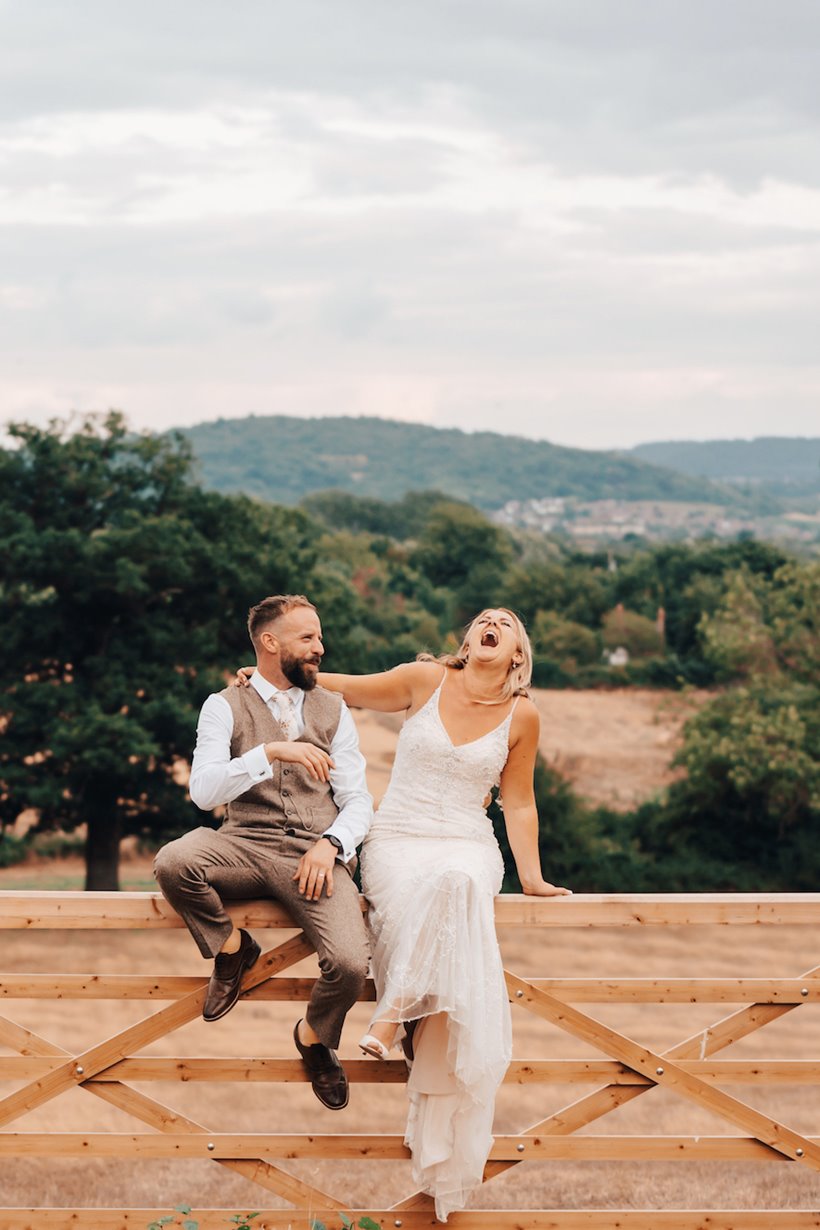
Some of the best wedding memories happen when nobody is following the plan. A conversation that lasts longer than expected. Guests wandering into the garden. Someone deciding they absolutely must make a speech. Everyone staying on the dance floor for one more song.
Leave some space for those moments.
A wedding should feel alive rather than perfectly controlled.
Step 7: Choose Suppliers You Actually Like As Humans
Your suppliers will have a surprisingly significant influence on your experience of the wedding itself.
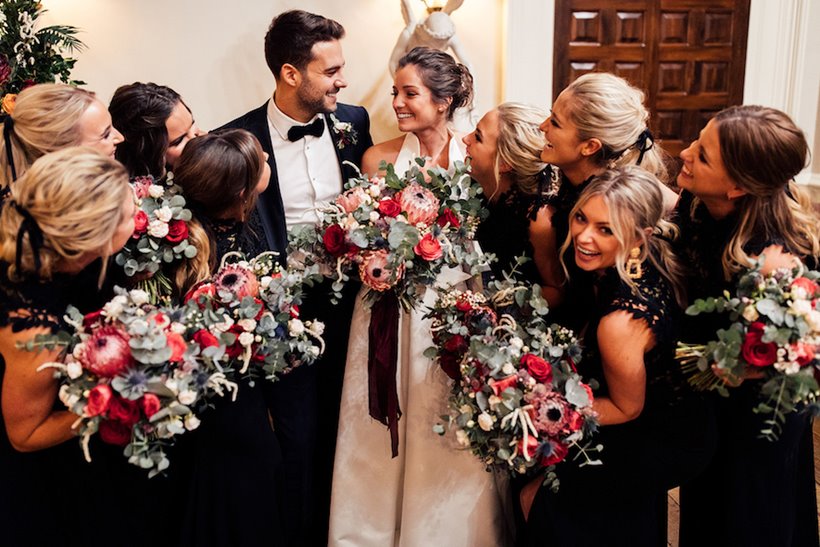
You will spend a lot of time with your photographer, planner, coordinator, caterer and other key suppliers, so finding people whose approach and personality you genuinely like is important.
Look beyond their portfolio and ask yourself whether you trust them.
Do they communicate clearly? Do they understand what you are trying to create? Do you feel calmer after speaking to them, rather than more overwhelmed?
The right suppliers should make the planning process easier, not add another layer of stress.
Step 8: Make Sustainability Part Of The Planning - Not An Afterthought
Sustainable weddings are becoming increasingly important to couples who want their celebration to have as little unnecessary impact as possible.
The good news is that sustainability doesn't have to mean compromising on the things that make a wedding feel special.
Choosing seasonal flowers, working with local suppliers, serving locally sourced food, reducing single-use decorations and encouraging guests to stay overnight can all make a difference.
At Elmore Estate, sustainability is connected to the wider work taking place across the estate, from rewilding and habitat restoration to the way the land is managed. It is part of the place itself rather than something added onto the wedding experience as an afterthought.
For couples who care about having a more sustainable wedding, that connection can be an important part of choosing where to celebrate.
Finally: Remember What Guests Really Want
It is remarkably easy to lose sight of the actual reason you started planning a wedding.
There will be moments when you care deeply about something that, in retrospect, will seem completely insignificant. There will probably be spreadsheets, difficult decisions and at least one conversation about whether you really need whatever it is you are currently trying to justify buying.
You don't need to get every decision right.
What matters is that, when the day arrives, you are surrounded by the people you love and able to enjoy being there with them.
The weddings that stay with people are rarely remembered because everything went exactly according to plan. They are remembered because they felt joyful, generous and completely themselves.
So plan the things that matter to you. Let go of the things that don't. Leave some room for the unexpected.
And remember that the point of all this isn't to create a perfect wedding.
It's to create a brilliant beginning to the next part of your life together.